Certified. Acknowledged. International.
Our Latest Blogs
Why Digital Art Programs Are Becoming Essential for Designers?
Why Digital Art Programs Are Becoming Essential for Designers?
The world of design has transformed drastically over the past decade, and today, digital art programs have become the beating heart of modern creative work. Whether it’s graphic design, animation, UI/UX development, or visual storytelling, the digital canvas has replaced traditional tools as the primary medium for professionals. Designers across industries now rely on advanced software not just to create, but to innovate, iterate faster, and deliver high-quality outcomes that meet the demands of a digitally driven world.
As brands compete for attention and users expect visually rich interfaces, the role of a designer has expanded. Creativity alone is no longer enough—designers must master the technologies that power modern content. Digital art programs help bridge the gap between imagination and execution, offering precision, automation, and endless possibilities that traditional art forms simply cannot match. In this blog, we explore the key reasons digital art programs have become indispensable in today’s creative ecosystem.

Unlimited Creative Flexibility
Digital painting applications eliminate the restrictions that are often placed on a designer using a physical medium. Designers are able to resize, reshape, recolour, and reorganise elements in seconds without the need to start an entire composition over again. The layers, blending modes, vector properties, and non-destructive aspect of digital tools literally provide the opportunity for unlimited experimentation. The experimentation tends to stimulate creative ideas and promotes risk-taking, enabling designers to stretch some of the visual boundaries that a physical medium might not permit.
More speed in workflow and proficiency
Designers who work in today's world tend to work on projects on a quick turnaround. Digital painting software opens up the possibility of designers speeding through the creative process using shortcuts, required templates for re-use, drag and drop features, and automated tools. For example, retouching, resizing, masking, creating layouts, and altering colour filters, which in physical art might take hours or days, can now typically are able to take minutes. The fact that a designer can be faster with the work processes leads to instant and very likely higher client satisfaction, and potentially much greater pay.
Precision, accuracy and professionalism
Modern design tagged to any medium is meticulous, and in particular, pixel-perfect output is demanded of all UI/UX projects, branding or design work, or high-resolution artwork. Digital design tools provide for really easy exactness with measurements, grids, alignment, and vector properties, ensuring the quality of the form being retained. The designer can ensure a great evenness with all projects for colours and sizes, and proportion with a digital format, which is a near impossible feat with a physical art medium.
Easy Editing and Revising
Client feedback is a huge part of the design process, and the digital tools help you to make revisions quickly. Designers do not need to worry about redrawing an entire piece; they can simply adjust layers, change colours, or swap elements. This flexibility saves designers time and allows greater collaboration with clients and their teams.
Collaborative Teamwork in a Global Workplace
With the dramatic increase in remote and hybrid work models, digital art programs now easily integrate with cloud programs to enhance collaboration. Designers can check files in real-time, co-edit, and communicate with off-site teams from anywhere in the world. Digital art programs, such as Adobe Creative Cloud, Figma, and Procreate, have enabled collaborative work to happen faster and more organised than ever before.
Integration with AI and Machine Learning
AI machine learning tools are a game-changer for designers. Automated background removal, AI-generated layout suggestions, colour-matching, texture generation, and even 3D modelling all assist when working within machine learning in business, while allowing creators to experiment with new aesthetics and spend more time creating instead of tedious tasks.
Indispensable for Professional Marketing and Branding
Every industry relies more and more on digital media—from websites and social ads to visual mockups and product photos. With a digital art program, designers can create polished, market-ready assets that communicate the brand identity mechanic. Because digital content is increasingly necessary for marketing, it is crucial to understand these programs to keep up and compete in our industry.
Variety of Tools and Styles
Digital programs sometimes consolidate brushes, filters, effects, textures, 3D components, and animation in one location. This allows designers the freedom to interchange styles, merge techniques, and create hybrid works—making the art relevant to modern audiences. Whether it is minimal branding or superrealistic concept art, digital applications unleash a breadth of visual ability.
Environmentally Conscious and Cost-Efficient
Material costs associated with traditional art materials, like canvases, paints, markers, and paper, can add up quickly and can be wasteful. Therefore, with digital art, designers will not incur repeated material costs and have an infinite canvas with the ability to undo and erase instantly. This also provides accessibility and sustainability for students, freelancers, studios, etc., in an environment of digital design.
Final Words
Digital art programs are no longer optional—they are the foundation of modern design careers. These tools help designers innovate, produce faster, collaborate seamlessly, and deliver professional-grade work that meets today’s digital demands. Whether you're a student or a professional, investing in digital art skills is the smartest way to stay relevant in the creative industry.
If you’re ready to strengthen your technical skill set and explore industry-aligned programs, IADM Academy offers advanced management and design-focused courses that can elevate your creative career.


Jasmin R.

The Data Protection and AI Governance course was practical, up-to-date, and taught by experienced professionals. I gained skills I could apply immediately, and within months, I landed a better role with more responsibilities!

Serena A. Wagner
Thanks to IADM’s Neurodiversity course, I now truly understand how to support employees with ADHD. I can identify their strengths, navigate challenges, and create a more inclusive work environment. The course was practical, insightful, and easy to apply

Sebastian Köhler
I took the Cybersecurity Awareness course at IADM and was genuinely impressed by how closely it reflected real-world challenges. From phishing risks to data protection, every module was hands-on and immediately applicable. IADM gave me the confidence!
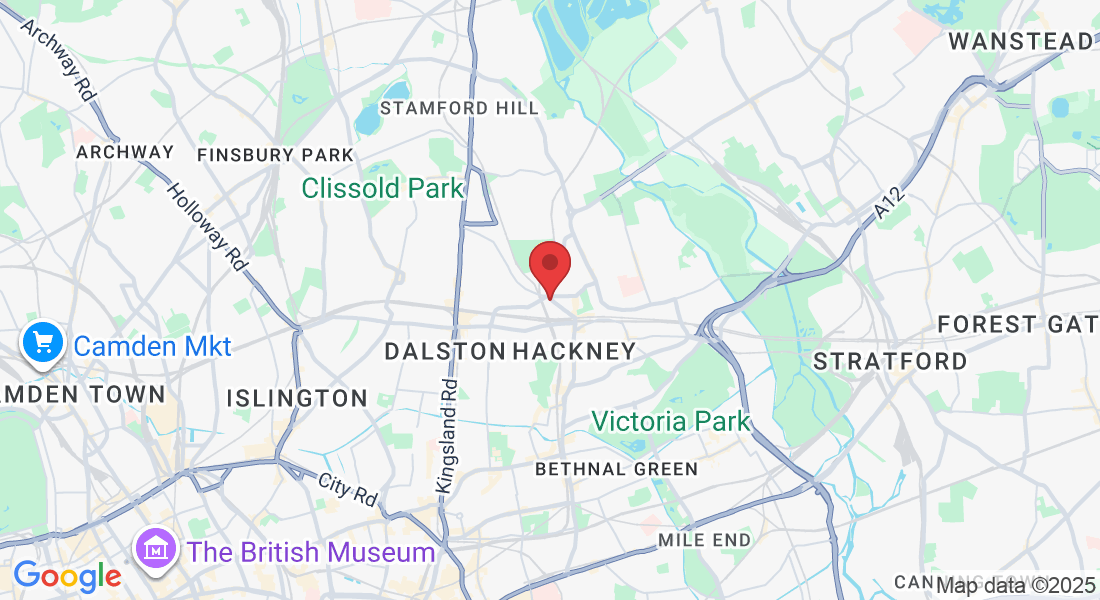
IADM Ltd
Suite 10, Capital House
61 Amhurst Road
London
E8 1LL
United Kingdom
Main Line (Phone & WhatsApp):
+44 7347 588566
Managing Director/Founder: Nurgül Aslan MBA, M.Sc.
Germany/Europe